
Professional Photography Course vs General Academic Learning: Fees, Curriculum, and Career Paths in India

In India, the conversation around higher education is changing rapidly. Parents, students, and professionals alike are beginning to question a long-standing assumption - that a general academic degree automatically leads to a stable career. In creative domains such as photography, this assumption collapses even faster. Photography today is no longer a hobby-driven pursuit or a side skill; it is a full-fledged professional industry embedded in advertising, media, fashion, cinema, tourism, government documentation, research, and digital commerce. This is where the distinction between a professional photography course and general academic learning becomes not just relevant, but decisive.
General academic learning in India has traditionally focused on theory, examinations, and broad-based knowledge acquisition. Degrees such as BA, BSc, or even general fine arts programs are structured to deliver conceptual understanding, historical awareness, and academic credentials. Institutions like JJ School of Art and Jamia Millia Islamia have produced generations of artists and scholars, but their primary mandate has never been industry-ready skill production. The learning model is classroom-centric, the assessment is exam-oriented, and hands-on exposure is limited by infrastructure, faculty bandwidth, and rigid university frameworks. As a result, students often graduate with degrees but without portfolios, professional confidence, or a clear entry point into the photography industry.
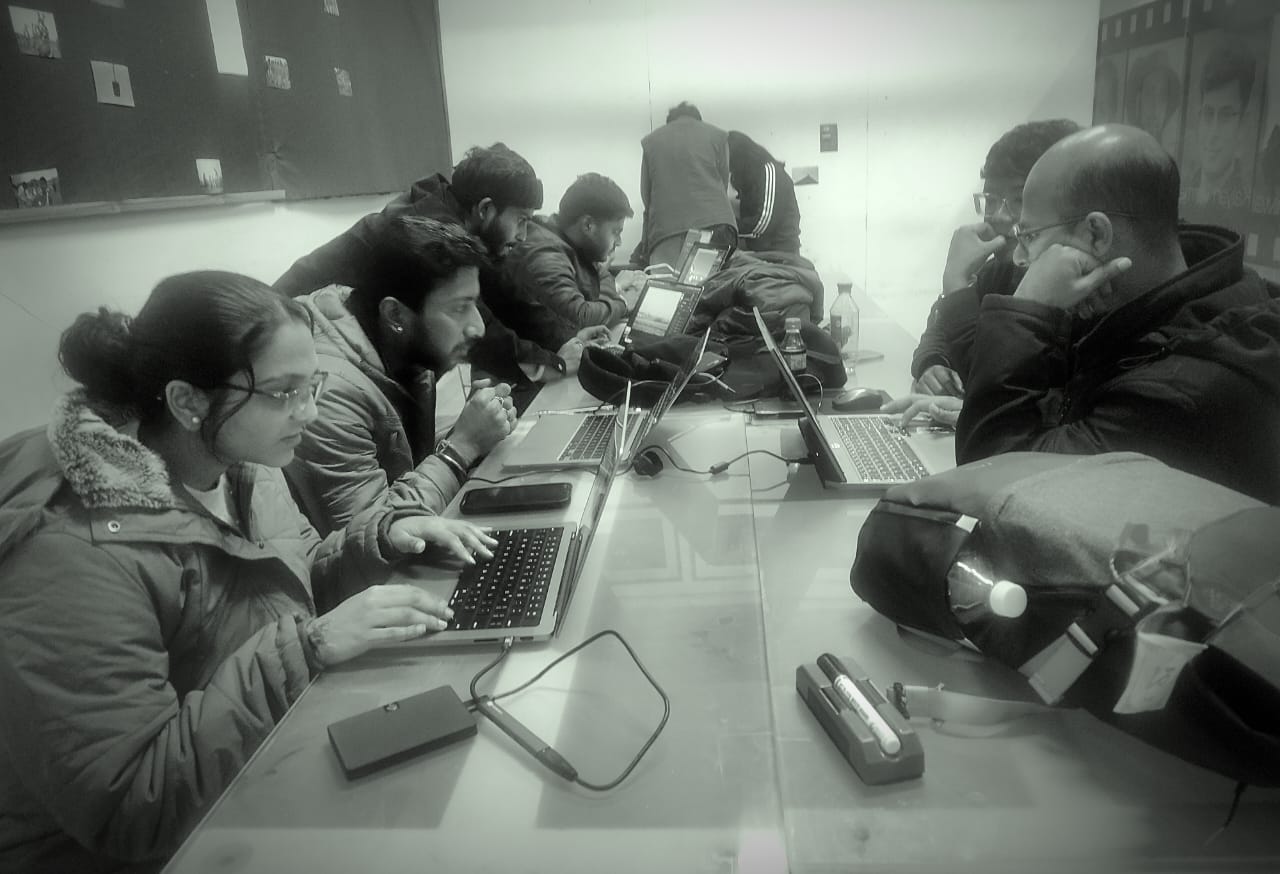
A professional photography course, on the other hand, operates on a fundamentally different logic. It is designed around outcomes, not credentials. The objective is simple and unapologetic: to make the learner employable, freelance-ready, or entrepreneurial within the photography ecosystem. A serious photography course in India begins with hands-on camera work from the earliest stages of learning and progressively builds technical mastery, visual literacy, and professional discipline. Institutions such as IIP Academy represent this shift by structuring education around studios, live assignments, exhibitions, documentation projects, and industry engagement rather than abstract theory alone.
Professional Photography Courses (Skill-First Model)
A professional photography course operates on a different philosophy:
Employability before certification.
Institutions such as IIP Academy structure learning around:
- Studio-based training
- Live industry projects
- Equipment handling from day one
- Portfolio development
- Market-aligned specialisations
The goal is not just to teach photography-but to build photographers who can earn.
The question of fees often becomes the first point of comparison. General academic programs appear economical on the surface, with annual fees that are relatively low. However, this apparent affordability hides a significant long-term cost. Graduates frequently spend additional years acquiring practical skills through unpaid internships, workshops, or trial-and-error freelancing. In contrast, a professional photography course requires a higher upfront investment, but that investment is aligned with market readiness. Diploma, degree, and master's-level photography programs in India are priced according to the depth of training, infrastructure access, and career support, best photography course for career they offer, with structured programs clearly mapping fees to tangible outcomes such as portfolios, placements, and industry exposure
When viewed through the lens of return on time and employability, professional courses consistently outperform general academic pathways.
Curriculum design is where the difference becomes unmistakable. In conventional academic learning, photography is often treated as a subject rather than a profession. Students study art history, visual theory, and critical appreciation, but rarely engage with contemporary industry workflows. Professional photography courses invert this structure. They are built around camera systems, optics, lighting design, studio practices, digital post-production, visual storytelling, and genre specialisation. Students are trained across commercial photography domains such as fashion, advertising, product, architecture, food, documentary, and photojournalism, while simultaneously learning client handling, pricing, copyright, contracts, and business sustainability. This integrated approach reflects how photography actually functions in the real world and aligns closely with industry needs identified across India's growing creative economy
Career outcomes reveal the most critical difference. Graduates of general academic programs often face uncertainty. Teaching or further academic study becomes the default option, while those who attempt to enter the photography industry do so without mentorship or structured guidance. In contrast, students emerging from professional photography institutes enter the workforce with defined photography career options. They work as commercial photographers, fashion and advertising specialists, documentary professionals, visual researchers, content creators, photo editors, cinematography assistants, and independent entrepreneurs. Many integrate into advertising agencies, production houses, media organisations, government documentation projects, and global digital platforms. Institutions with a proven professional track record consistently demonstrate near-total career absorption because their pedagogy is designed around real-world application rather than theoretical completion
Choosing the right photography institute in India therefore becomes a strategic decision rather than an emotional one. Brand names and legacy matter far less than faculty credibility, infrastructure quality, industry exposure, and alumni outcomes. A serious institute invests in studios, digital darkrooms, galleries, libraries, and mentorship systems while maintaining active relationships with brands, ministries, cultural bodies, and international platforms. It treats photography as a discipline that demands rigour, ethics, research, and professionalism, not casual experimentation. This is also where alignment with national education frameworks and creative industry policies strengthens institutional relevance and student confidence
Photography Career Options After a Professional Course
A professional photography course opens clear, diversified career paths, including:
- Commercial Photographer
- Fashion & Advertising Photographer
- Product & E-commerce Specialist
- Documentary & Photojournalist
- Visual Researcher & Archivist
- Cinematography & Film Production roles
- Photo Editor & Visual Content Strategist
- Independent Entrepreneur / Studio Owner
India's creative economy employs over 200 million people, and photography feeds into advertising, media, fashion, tourism, government documentation, and digital platforms. Institutions with a proven placement ecosystem demonstrate near-total career absorption for trained professionals
The hard truth is that a general academic degree does not prepare a student for the pace, competition, and expectations of today's photography industry. Passion alone is insufficient, and talent without structure often leads to frustration. A professional photography course bridges this gap by combining artistic development with technical precision and commercial awareness. It trains students not just to create images, but to survive and grow in a demanding professional environment. In a country where the creative industries employ millions and continue to expand across digital and global markets, skill-based education is no longer optional.
In conclusion, the comparison between professional photography courses and general academic learning is not about superiority, but suitability. Academic learning serves intellectual exploration and theoretical depth, while professional photography education serves career clarity and industry integration. For anyone serious about building a sustainable photography career in India, enrolling in a structured, industry-aligned professional photography course is not merely the better option-it is the only practical one.
