
Why Practical Projects Matter in Photography, Film Making & Fine Arts

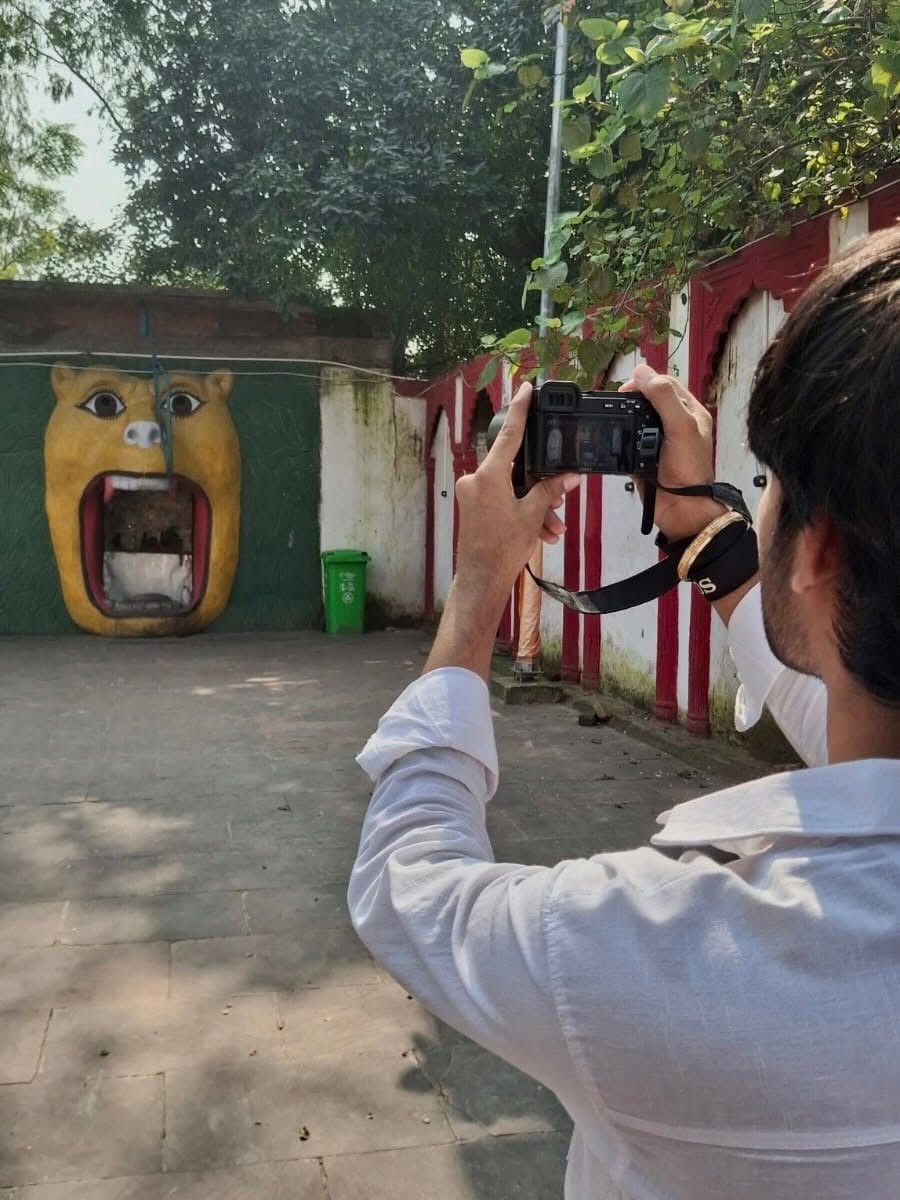
Learning creative arts is not just about understanding techniques. It is about applying knowledge, developing original ideas, solving real-world challenges and building the confidence to create independently.
The creative industry is evolving rapidly. From commercial photography and digital filmmaking to visual communication, painting, sculpture and multidisciplinary design, professional success requires much more than theoretical understanding.
For students exploring Photography Courses, Film Making Courses, Fine Arts Courses and Creative Arts Courses in India, one factor deserves particular attention: How much practical, project-based learning does the programme offer?
A classroom can introduce concepts, but practical projects help students discover how those concepts work in real situations.
- From Theoretical Knowledge to Practical Understanding
Understanding camera settings is important. Knowing how to use them to tell a compelling visual story is equally essential.
Similarly, learning the principles of composition, colour theory, lighting, visual aesthetics or film editing provides a foundation. Applying those principles through actual projects transforms knowledge into creative ability.
In well-structured Photography Courses, students should have opportunities to work on portraits, documentary photography, architectural photography, product photography and visual storytelling assignments.
Students pursuing Film Making Courses benefit from developing scripts, storyboards, short films, documentaries and editing projects.
Likewise, Fine Arts Courses should encourage experimentation with painting, sculpture, printmaking, applied arts, mixed media and contemporary artistic practices.
The real learning begins when students move beyond instructions and start making creative decisions independently.
- Practical Projects Develop Creative Thinking and Problem-Solving
Every creative assignment presents a different challenge.
A photographer may need to communicate an emotion using limited lighting. A filmmaker may have to tell an engaging story within a short duration. A fine arts student may explore a complex social theme through visual expression.
These situations require students to observe, interpret, experiment and find solutions.
Practical projects encourage:
- Independent thinking and creative decision-making
- Experimentation with techniques, materials and visual approaches
- Problem-solving under real-world constraints
- Better observation and critical analysis
- Confidence in presenting and defending creative ideas
Importantly, students also learn that an unsuccessful experiment can become a valuable learning experience.
Creativity develops through exploration, reflection and continuous improvement.
- Building a Professional Portfolio Before Graduation
In creative professions, a portfolio often communicates a student’s abilities more effectively than academic qualifications alone.
Employers, production houses, advertising agencies, design studios and potential clients want to understand how an individual thinks, creates and executes ideas.
A meaningful portfolio should demonstrate more than technical proficiency. It should reflect originality, creative progression, conceptual understanding and the ability to complete projects.
For example:
Photography students can develop portfolios covering commercial assignments, editorial work, documentary narratives and personal visual projects.
Film making students can showcase short films, documentary productions, cinematography exercises, editing showreels and collaborative productions.
Fine arts students can present paintings, installations, sculptures, design explorations, exhibitions and research-led artistic projects.
A strong portfolio is not simply a collection of finished work. It is evidence of a student’s creative journey, experimentation and professional readiness.
This is why project-based learning should be an essential consideration when selecting Creative Arts Courses in India.
- Understanding Professional Workflows and Industry Expectations
Creative work rarely happens in isolation.
A commercial photoshoot involves planning, communication, lighting, production coordination and post-production. A film requires collaboration between directors, cinematographers, editors, sound professionals and production teams.
Even independent fine arts practice involves research, conceptualisation, material selection, production, documentation, presentation and sometimes exhibition management.
Practical assignments help students understand these interconnected processes.
Working on projects with timelines, briefs, budgets, defined responsibilities and review sessions introduces them to professional expectations.
Students begin to appreciate that creative freedom and professional discipline must work together.
This experience can make the transition from academic learning to internships, freelance assignments, entrepreneurship and employment more manageable.
- Learning Through Feedback, Mentorship and Academic Juries
One of the most valuable aspects of practical education is constructive criticism.
When students present their photographs, films or artworks before faculty members, mentors and peers, they learn to evaluate their work from different perspectives.
Academic juries, portfolio reviews, exhibitions and project discussions encourage students to explain the ideas behind their work.
They must consider important questions:
- What is the purpose of this project?
- What message or emotion does the work communicate?
- Why were particular creative decisions made?
- How effectively does the final work represent the original concept?
- What could be improved through further exploration?
Such discussions strengthen visual literacy, communication skills and the ability to assess creative work critically.
Students learn not only how to create but also how to explain, refine and improve their creative decisions.
- Encouraging Collaboration Across Creative Disciplines
The boundaries between photography, filmmaking, design and fine arts are becoming increasingly interconnected.
A contemporary advertising campaign may involve photographers, filmmakers, graphic designers, illustrators, artists and digital content creators working together.
A documentary filmmaker benefits from an understanding of photography and visual composition. A photographer may explore filmmaking and multimedia storytelling. A fine arts student may use digital imaging, moving images or installation techniques to communicate an artistic concept.
Multidisciplinary projects introduce students to these possibilities.
By collaborating across disciplines, students develop adaptability, teamwork and a broader understanding of creative careers.
For institutions offering Photography Courses, Film Making Courses and Fine Arts Courses, integrating collaborative assignments can help create a more comprehensive learning environment.
- Preparing Students for a Technology-Driven Creative Future
Digital technologies and artificial intelligence are influencing how creative content is conceptualised, produced and distributed.
However, technology alone cannot determine whether a visual story is meaningful, whether a composition communicates effectively or whether an artistic idea connects with its audience.
Students need to develop both technological proficiency and creative judgement.
Practical projects provide opportunities to explore emerging tools while strengthening fundamental abilities such as observation, storytelling, aesthetics, research and conceptual thinking.
The objective should not simply be to teach students how to use software or equipment.
It should be to develop creative professionals who understand what to create, why it matters and how to execute it effectively.
- Choosing the Right Creative Arts Course in India
For students and parents evaluating creative education, the curriculum should be assessed beyond course titles, equipment lists and certificates.
Before choosing an institution, consider whether the programme provides:
- Regular practical assignments and independent projects.
- Access to relevant studios, equipment and creative resources.
- Faculty mentorship and periodic portfolio reviews.
- Outdoor learning, field visits, exhibitions and workshops.
- Opportunities for interdisciplinary collaboration.
- Exposure to professional practices and industry expectations.
- Structured academic evaluations and constructive feedback.
A well-designed learning environment should allow students to progress from guided exercises to independently conceived and executed creative projects.
The goal is not merely to complete a course but to graduate with the knowledge, experience, portfolio and confidence required to pursue meaningful creative opportunities.
Conclusion: Creative Education Must Go Beyond the Classroom
Photography, filmmaking and fine arts are disciplines that demand continuous practice, observation, experimentation and reflection.
Theoretical knowledge establishes an essential foundation, but practical projects help students transform that foundation into creative expression and professional competence.
Every photograph, short film, painting, sculpture or collaborative assignment presents an opportunity to discover new perspectives and develop individual creative identities.
The future of creative education belongs to institutions that connect academic knowledge with meaningful practical experiences.
At IIP Academy and the Faculty of Fine Arts, the educational vision recognises the importance of creative exploration, mentorship, practical learning and developing individual artistic perspectives.
Begin Your Creative Journey
Whether you aspire to become a professional photographer, filmmaker, visual artist, designer or creative entrepreneur, choosing the right learning environment is an important first step.
Explore Photography Courses, Film Making Courses and Fine Arts Courses through IIP Academy.
Discover opportunities to learn, experiment, create and build your future in the creative arts.
