
BFA Course in India: Specializations, Fees, Eligibility & Career Options

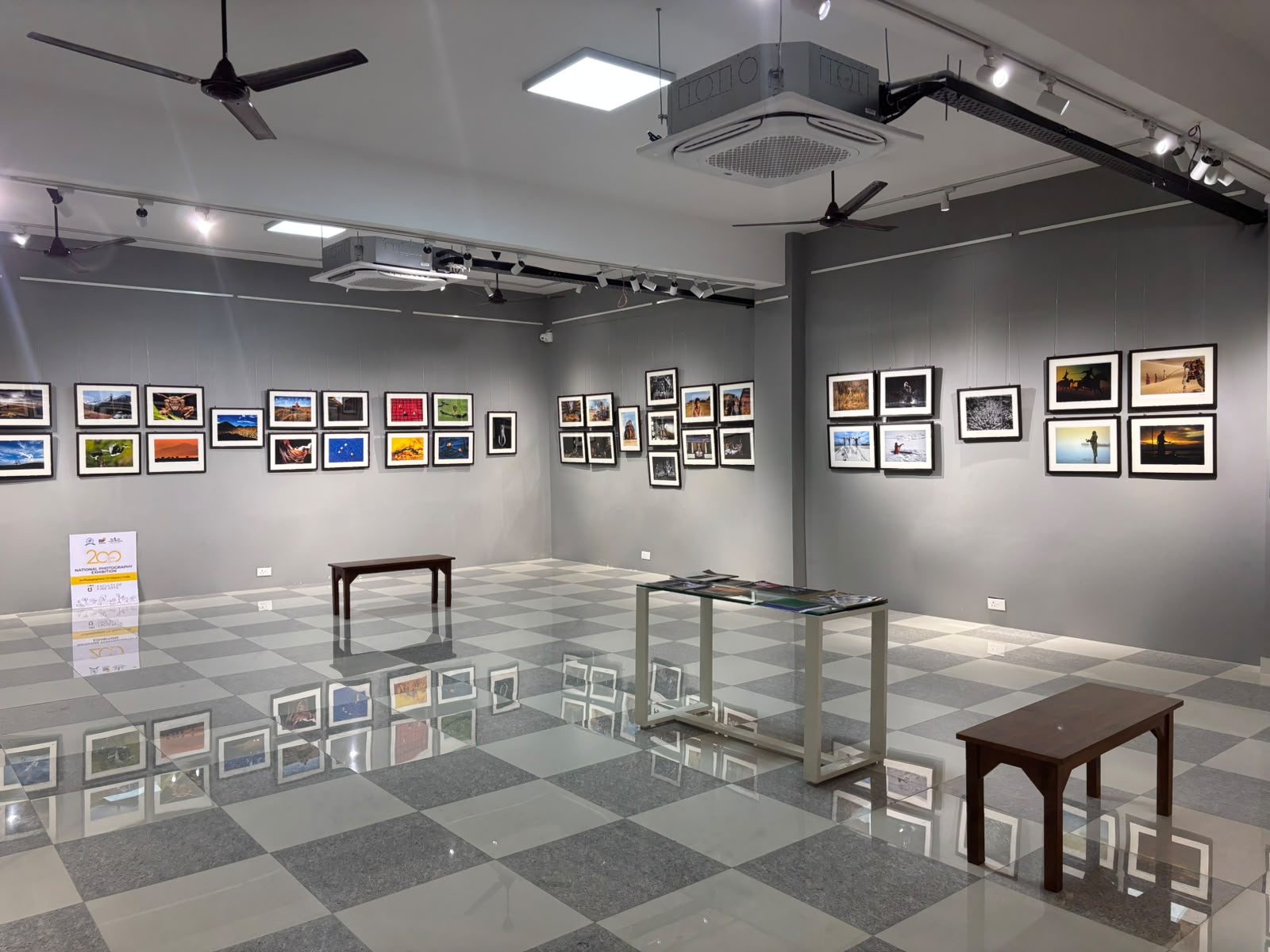
A BFA course in India is a four-year undergraduate degree in visual and applied arts, open to students from any 10+2 stream. Specializations include Photography, Painting, Applied Arts, Printmaking, Sculpture and Film Making. Fees range from under ₹10,000 at central universities to ₹9-10 lakh at industry-integrated institutes, and graduates work across advertising, film, publishing, galleries and independent practice.
What a BFA Actually Is And How It Differs from a BA in Fine Arts
The Bachelor of Fine Arts is a professional studio degree. Most of the four years are spent producing work: shooting, drawing, printing, modelling, editing, exhibiting. Theory exists, but it supports practice rather than replacing it.
A BA in Fine Arts, by contrast, treats art as one subject among several and leans towards history, appreciation and general humanities. The distinction matters at hiring time. Studios, agencies and production houses assess a portfolio, and a BFA is built to produce one.
Under the National Education Policy 2020, most BFA programmes now run on a credit-based, eight-semester structure with defined exit points, internships and a final-year research or capstone project. For students, the practical effect is that credits become portable and postgraduate progression to an MFA is cleaner.
BFA Specializations Available in India
Specialization is usually declared at the end of the foundation year, once a student has sampled several media. Each stream leads to a different professional ecosystem.
| Specialization | Core studio work | Where graduates typically go |
| Photography | Studio lighting, documentary, fashion, product, post-production | Advertising, editorial, fashion, e-commerce, wedding and independent studios |
| Applied Arts | Typography, layout, illustration, brand communication | Advertising agencies, design studios, publishing, in-house brand teams |
| Painting | Drawing, composition, colour, material practice | Galleries, residencies, art education, independent practice |
| Print Making | Etching, lithography, serigraphy, relief | Print studios, limited-edition art markets, publishing |
| Sculpture | Modelling, casting, carving, installation | Public art, set and production design, exhibition and museum work |
| Film Making | Camera, direction, sound, editing | OTT and broadcast production, documentary, commercials, corporate films |
Why photography has become the most in-demand stream
Demand follows where the money goes. India's media and entertainment sector grew 9% year-on-year to ₹2.78 trillion in 2025, according to the FICCI-EY report Stories, scale and impact: Unlocking India's media and entertainment economy. The same report records digital advertising revenues rising 26% to ₹947 billion, accounting for 63% of total ad spend.
Every rupee of that spend needs images and video. A photography course in India at degree level now sits closer to the centre of the creative economy than it did a decade ago, when it was largely treated as a short-term skill add-on.
BFA Eligibility in India: Who Can Apply
Eligibility is deliberately broad. A science or commerce background is not a barrier.
- Qualification: 10+2 (or equivalent) from any recognised board
- Stream: Any Science, Commerce, Arts or Vocational
- Minimum marks: Typically 45%-50% aggregate, varying by institution
- Age: Some universities apply an upper age limit; central universities are stricter than private ones
- Entrance: Portfolio review, aptitude test, or interview depending on the institution
Admission routes fall into three broad patterns. Central universities admit through CUET-UG followed by a practical or aptitude test. Some state systems run their own art entrance exams. Private and autonomous institutions usually assess a portfolio and conduct an interview.
A common misconception worth correcting: you do not need formal art training before applying. Portfolio reviews at most Indian institutions look for observation, intent and a way of seeing not polished technique. A folder of honest personal work usually reads better than imitative exam-style drawing.
Postgraduate eligibility is broader still. An MFA in Photography accepts graduates from any stream, not only Fine Arts backgrounds which makes it a realistic route for engineers, commerce graduates and working professionals changing direction.
BFA Course Fees in India: What to Budget
Fees vary by more than a hundredfold across the country, and the number reflects infrastructure and studio access more than teaching quality alone.
Career Options After a BFA: A Realistic View of Fine Arts Careers in India
A fine arts career in India rarely follows a single track. Most graduates build a mix of retained clients, project work and salaried roles, and the mix shifts over the first five years.
- Advertising and brand communication art direction, campaign photography, product and packaging visuals
- Editorial and publishing photo editing, documentary commissions, book and magazine work
- Film, OTT and broadcast camera, production design, post-production, promotional stills
- E-commerce and fashion catalogue, lookbook and campaign production, in-house studio roles
- Galleries, museums and cultural institutions curation, exhibition design, archival and documentation work
- Independent practice studio ownership, commissioned work, teaching, workshops
- Academia an MFA opens university and institute teaching positions
The supporting infrastructure is expanding: according to IBEF, India's animation and VFX sector contributed roughly ₹10,300 crore in 2024 and is expected to reach ₹14,700 crore by 2027, and the Union Budget 2026-27 proposed ₹250 crore for the Indian Institute of Creative Technologies to set up AVGC Content Creator Labs in 15,000 secondary schools and 500 colleges. That is a visible signal about where public investment in creative skills is heading.
One honest caveat: earnings in the first two years are portfolio-dependent, not degree-dependent. Students who treat the four years as production time rather than attendance time enter the market considerably better placed.
How to Choose a Photography Institute in India
Marketing material for any photography institute in India looks broadly similar. These are the questions that separate them.
- Is the qualification a recognised degree? A UGC-recognised university degree carries different weight from a private certificate, particularly for government roles, teaching posts and overseas postgraduate applications.
- What is the mentor-to-student ratio? Studio subjects cannot be taught to a hall of two hundred. Small cohorts are the single strongest predictor of skill development.
- Who is teaching, and are they still practising? Working professionals bring current briefs, current rates and current client expectations.
- What equipment do students actually touch? Ask specifically about lighting setups, lens inventory, darkroom access and editing workstations not just campus photographs.
- How many live projects run each year? Real assignments with brands, media houses, cultural festivals and government events build both a portfolio and a contact list.
- What happens in the final year? A degree show, printed portfolio and industry review carry more weight than a placement statistic in isolation.
The Faculty of Fine Arts (IIP Academy)
The Faculty of Fine Arts offers BFA and Diploma programmes across Photography, Film Making, Applied Arts, Painting, Print Making and Sculpture, along with MFA Photography in regular and online formats.
The academic collaboration with IIP Academy the Indian Institute of Photography brings sixteen years of specialist teaching practice into a degree framework. IIP has trained more than 33,000 students from over 40 countries and maintains a 100% placement record.
The teaching model follows a mentor-mentee structure rather than large-lecture delivery, built on a simple institutional philosophy: Creativity → Confidence → Culture → Career. Students work on live cultural and commercial assignments, participate in documentation projects, and exhibit annually.
Frequently Asked Questions
Is a BFA a good career choice in India? Yes, provided the choice is made with clear intent. India's creative economy is growing and formally funded, and demand for trained visual professionals in advertising, digital content and film continues to rise. The degree opens the door; the portfolio determines how far you walk through it.
Can I do a BFA after a science or commerce stream? Yes. BFA eligibility in India is stream-agnostic. A 10+2 pass from any recognised board with the institution's minimum aggregate is sufficient.
How long is a BFA course? Four years across eight semesters at most Indian universities, including a final-year project or degree show.
What is the difference between a BFA in Photography and a photography diploma? A BFA is a four-year UGC-recognised degree with a broader fine arts foundation, art history, research and cultural context alongside technical training. A diploma is shorter, more concentrated on craft, and suited to students who want to enter the market quickly or add a formal qualification to existing experience.
Is an MFA necessary after a BFA? Not for industry practice. It is generally required for university teaching and for advanced research or funded international study.
Which BFA specialization has the best scope? Photography and Applied Arts currently have the widest commercial demand because of digital advertising and e-commerce volumes. Painting, Print Making and Sculpture lead towards galleries, residencies and the art market a slower but durable path.
Making the Decision
A BFA is a four-year commitment to producing work under guidance. The institution matters less for its brochure than for three things: whether the degree is recognised, whether the studios are genuinely accessible, and whether the people teaching are still working in the field.
If you are considering a BFA course in India and want to talk through specializations, eligibility or fee structures against your own portfolio and plans, the admissions team at the Faculty of Fine Arts, Bareilly International University is available for a counselling conversation.
