Bachelor in Fine Arts - Photography

Photography today is not just a skill. It is a language that shapes careers, culture, identity, public memory, brands, and even history. The BFA in Fine Arts Photography is designed for students who want to go far beyond “good pictures” and build a serious future as photographers, visual artists, documentary storytellers, editorial creators, commercial professionals, curators, and visual researchers.
COURSE OVERVIEW
This is a four-year, NEP-aligned undergraduate degree that trains students to become strong image-makers and strong thinkers - with the confidence to work in real markets and the depth to work in serious cultural spaces. From the first year, students learn camera craft and light with discipline, but they also learn something most programs ignore: how to create meaning, how to research, how to write, how to present, and how to build a coherent body of work.
Additional Information
Maximum Seats
 |
Eligibility
| 10+2 (Any Stream) from a recognized board.Basic understanding of visual arts preferred. Admission is on a first-come-first-served basis. |
Class Days & Batch Timings
| Monday to Friday 10:30am to 4:30pm |
Course Fee
| Total Course Fee | Rs. 9,60,000/- (Four Years) |
- Other scholarships are available as per eligibilities and grant bases, to be discussed while interview with directors.
- Guest lectures, masterclasses, workshops, special events and 2 Educational tours, are mandatory and included in the programme fee.
What Makes this Program Different
Most photography courses focus on technique. Technique is necessary - but it is not enough to build a career or earn respect in the creative world. This program is built on four pillars that run through all eight semesters:
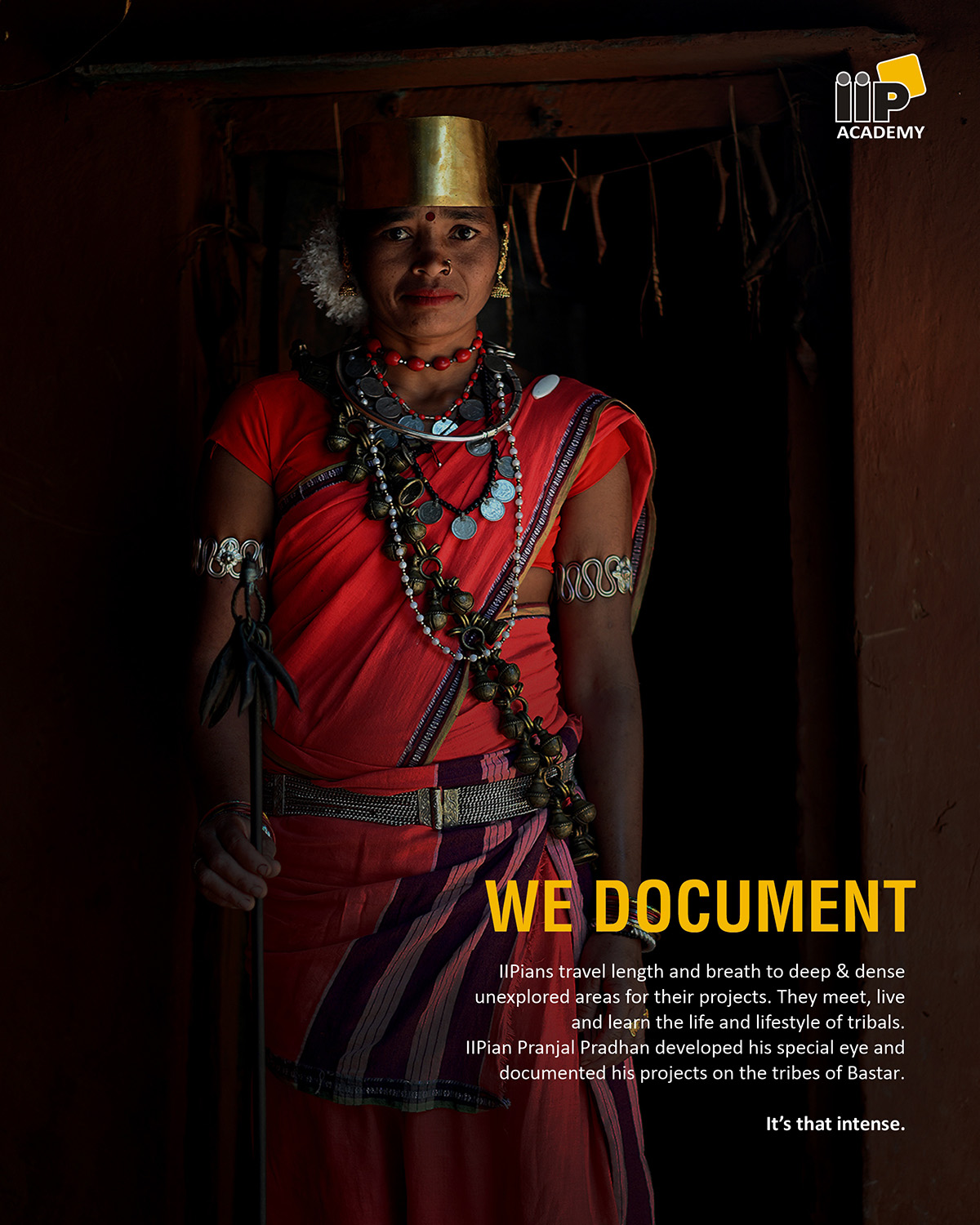
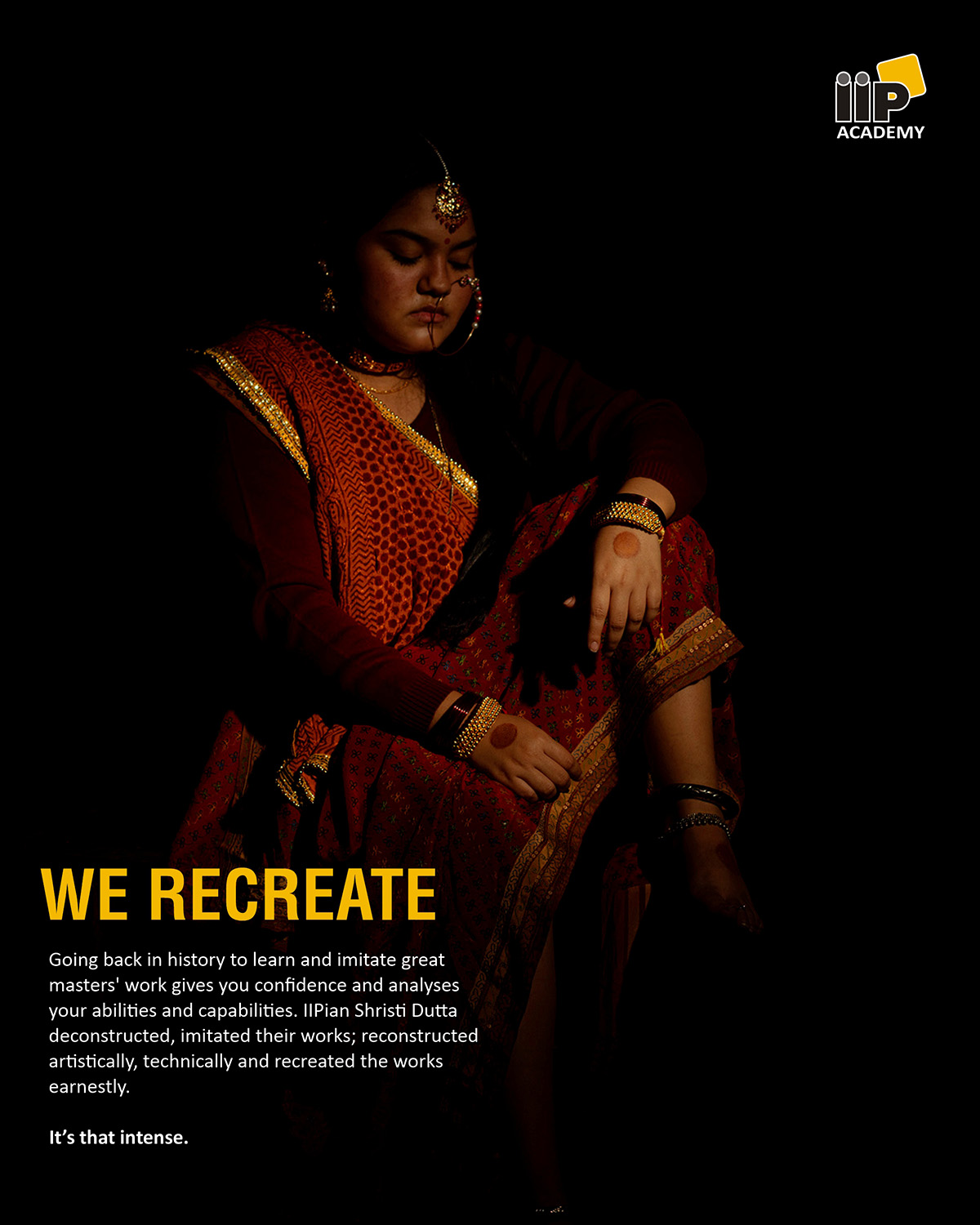
- Studio Practice (Every semester): Students create a major photographic project each term, guided by mentors and assessed through structured juries and critiques.
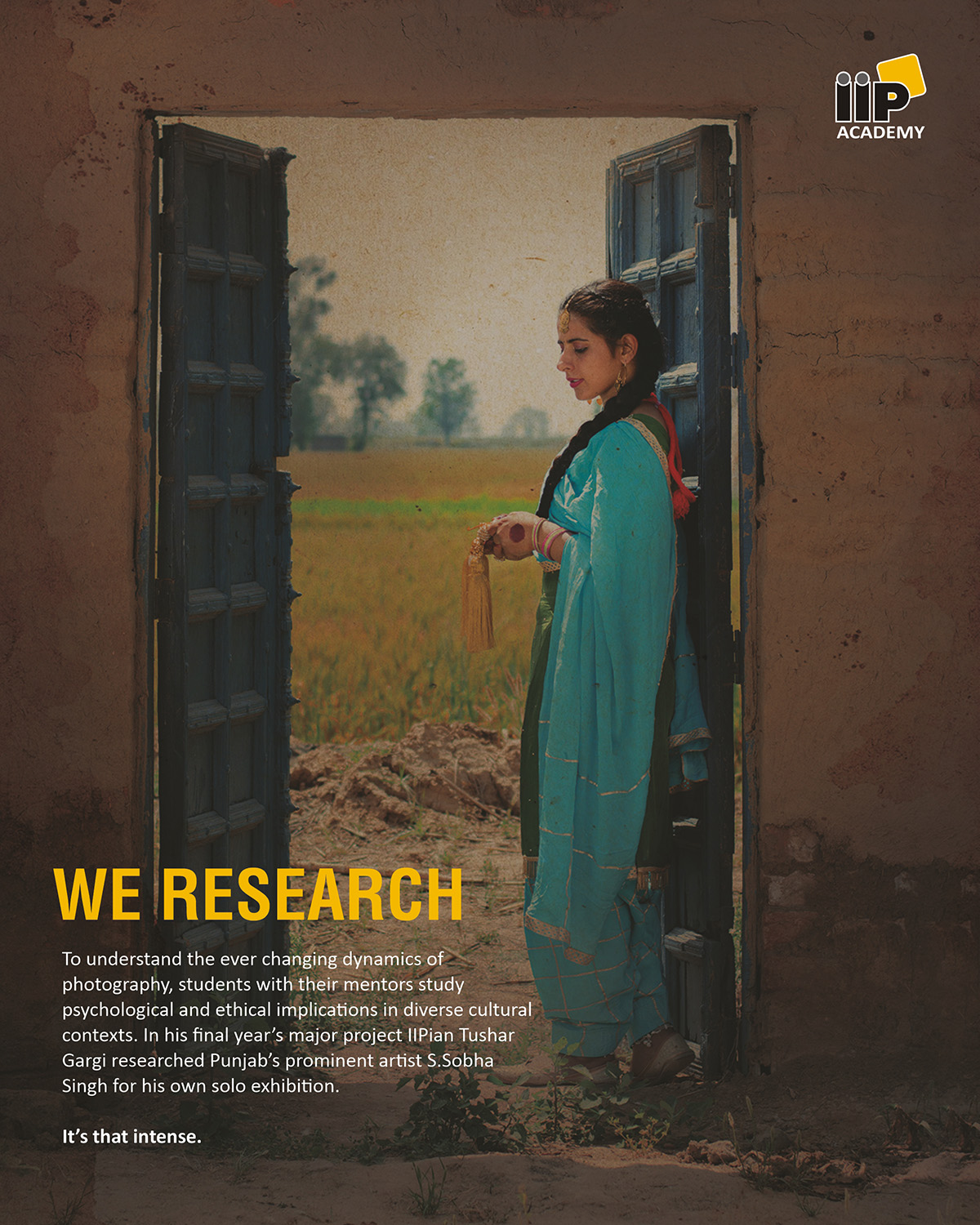
- Critical Thinking + Writing (From Year 1): Students learn visual culture, aesthetics, ethics, and academic writing so they can articulate intent, defend choices, and create work with depth
- Curation + Publication: Students learn how photographs live in the world - exhibitions, photobooks, archives, editorial formats, wall text, catalogues, sequencing, captions, and audience experience.
- Professional Readiness: Portfolio strategy, client systems, copyrights, releases, pricing, negotiation, and a career path that is practical - not imaginary.
How Students Learn
This program is highly studio-based and mentorship-driven. Students do not learn photography like a school subject - they learn it like a real practice. Every project moves through a professional process:
concept → references → research → shoot planning → production → editing → sequencing → critique → final output → presentation.
Students work across multiple approaches and mediums including:
- Fine art practice and conceptual photography
- Documentary storytelling and long-form visual essays
- Portrait, identity, and the human condition
- Space, architecture, and landscape
- Editorial and applied genres (depending on interest and electives)
- Moving image basics (video + sound foundations for photographers)
- Publication design and exhibition-making
- Archives, documentation, and metadata discipline
The teaching model includes classroom sessions, demonstrations, structured assignments, field exercises, critique culture, guest sessions, and juries. Students are trained to accept feedback professionally, improve outcomes rapidly, and build confidence through consistent public presentation
The NEP Advantage: Flexibility + Depth
The 4-year structure is aligned with the National Education Policy approach, creating flexible academic progression and stronger outcomes. Students gain structured learning across eight semesters with meaningful milestones, and the degree framework supports academic continuity, research orientation, and a stronger professional identity by graduation.
A defining highlight: the 6-month internship/residency
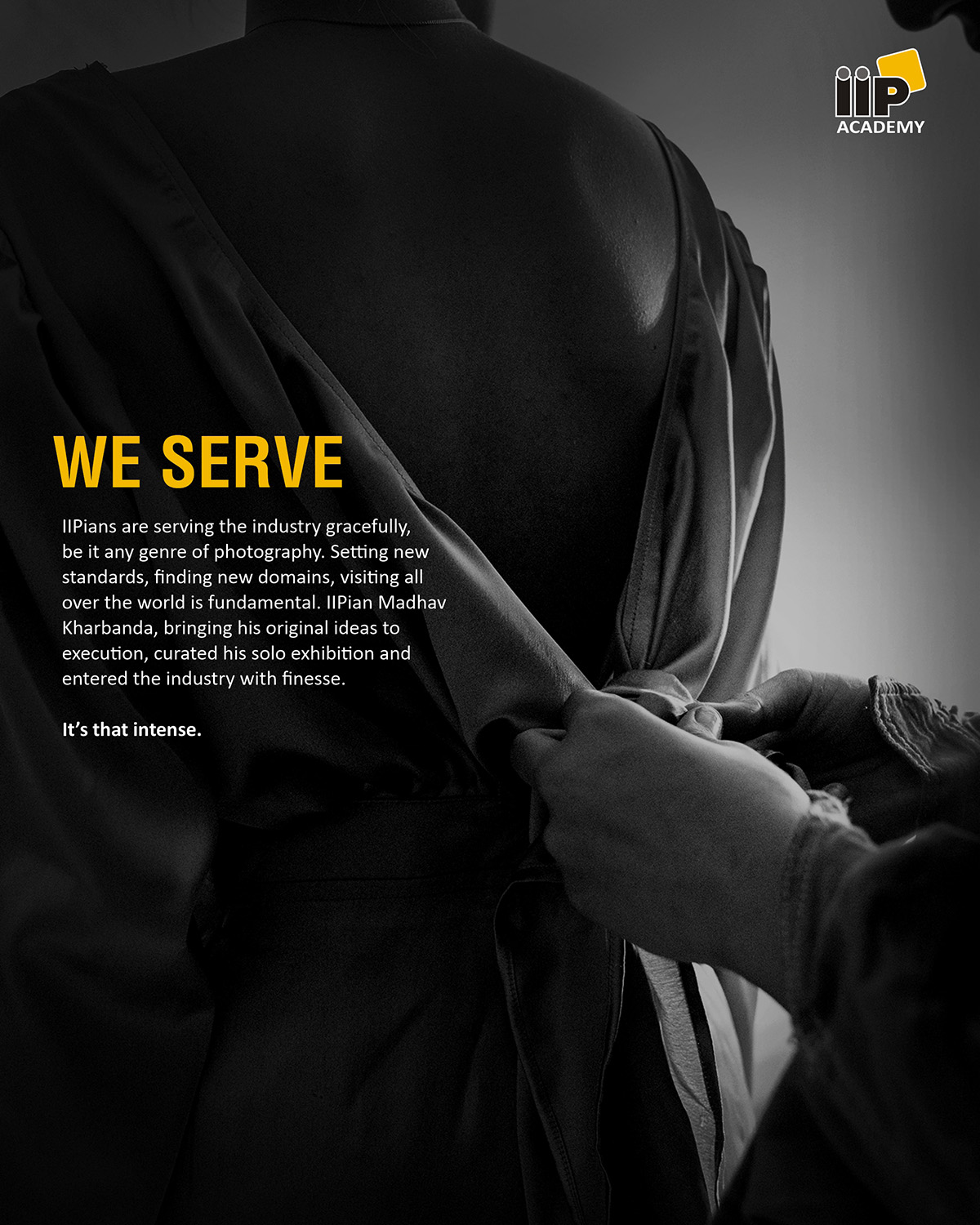
A serious degree must include serious exposure. That is why this program includes a minimum 24-week internship/residency in Semester 8. Students work in real professional environments such as studios, editorial teams, cultural institutions, documentary teams, production setups, creative agencies, archives, or visual content departments.
This internship is not treated as attendance. It is evaluated through outcomes: deliverables, supervisor assessment, a case study portfolio, and a reflective report. The purpose is simple - students graduate with experience, clarity, discipline, and credibility.
Final year: Major Project + Dissertation + Public Showcase
In the final semester, students complete a Final Major Project - a signature body of work that represents their voice and direction. Alongside, they complete a dissertation/research paper (practice-based research) and present their work through a curated public outcome: exhibition/digital showcase with catalogue text.
So, by the time a student graduates, they don’t just hold a degree. They hold:
- A serious portfolio
- A clear specialization direction
- A completed internship with outcomes
- A final body of work with research depth
- Public presentation experience
- Professional readiness for real opportunities
Who should take this program
This program is ideal for students who:
- Want to build a career in photography or visual arts with long-term stability
- Want to develop a strong artistic voice, not just technical skill
- Are interested in documentary, culture, people, design, fashion, editorial, or fine art practice
- Want mentorship, critique culture, and professional discipline
- Want a degree that supports higher studies, research, and global opportunities
Career pathways after this program
Graduates can move into multiple directions depending on their specialization and portfolio:
- Fine art photographer / visual artist
- Documentary photographer / visual storyteller
- Editorial photographer / photojournalism track (portfolio-based)
- Fashion / advertising / brand photography (portfolio-based)
- Content creator for media, creative teams, and cultural projects
- Curatorial assistant / archive and documentation roles
- Photography educator (with further academic progression)
- Independent professional practice / studio entrepreneurship
Why this Course
- A complete 4-year NEP-aligned degree with strong academic structure.
- Studio projects every semester - learning is output-driven.
- Mentorship and critique culture that builds real confidence.
- Writing + research skills that make students articulate and respected.
- Curation + publication training (exhibition + photobook culture).
- A serious 6-month internship evaluated through deliverables.
- Final Major Project + dissertation + public showcase - graduate with impact.
- Strong professional readiness: contracts, copyright, pricing, client systems.
- Portfolio development is built into the curriculum, not left to chance.
- Graduates leave with a voice, a direction, and a future-ready skillset.
FAQs
Is this course only for students who already know photography?
- No. The first year builds foundations from the ground up. What matters is seriousness, curiosity, and willingness to work.
Is this a “professional course” or a “fine arts degree”?
- It is a fine arts degree with professional readiness built into it. Students learn craft, concept, culture, and career together.
What is the difference between a short photography course and this degree?
- Short courses teach tools. This degree builds a complete practitioner: studio discipline, research depth, writing ability, curatorial understanding, and portfolio strength over four years.
Does the program include film or video?
- Students learn moving image fundamentals (video + sound basics for photographers). Those who want deeper filmmaking can explore electives and allied pathways
What kind of internship will students do?
- A minimum 24-week internship/residency in relevant professional environments. It is assessed through real outcomes, not formality.
Will students learn editing and post-production properly?
- Yes. Editing is taught as discipline - workflow, colour, output standards, and professional finishing for print and digital.
Do students learn exhibition and photobook creation?
- Yes. Curation and publication are core. Students learn sequencing, exhibition design, wall text, catalogue writing, and photobook dummy development.
Is research compulsory?
- Research and writing are part of the program from early semesters, and the final year includes a dissertation/research paper aligned with practice-based work.
What if a student wants to pursue higher studies later?
- This structure supports higher studies strongly because students graduate with research exposure, writing skills, and a serious final body of work.
What does a student graduate with, practically?
- A strong portfolio, internship outcomes, a major project, research writing, and public presentation experience - plus the discipline to perform in real creative environments.
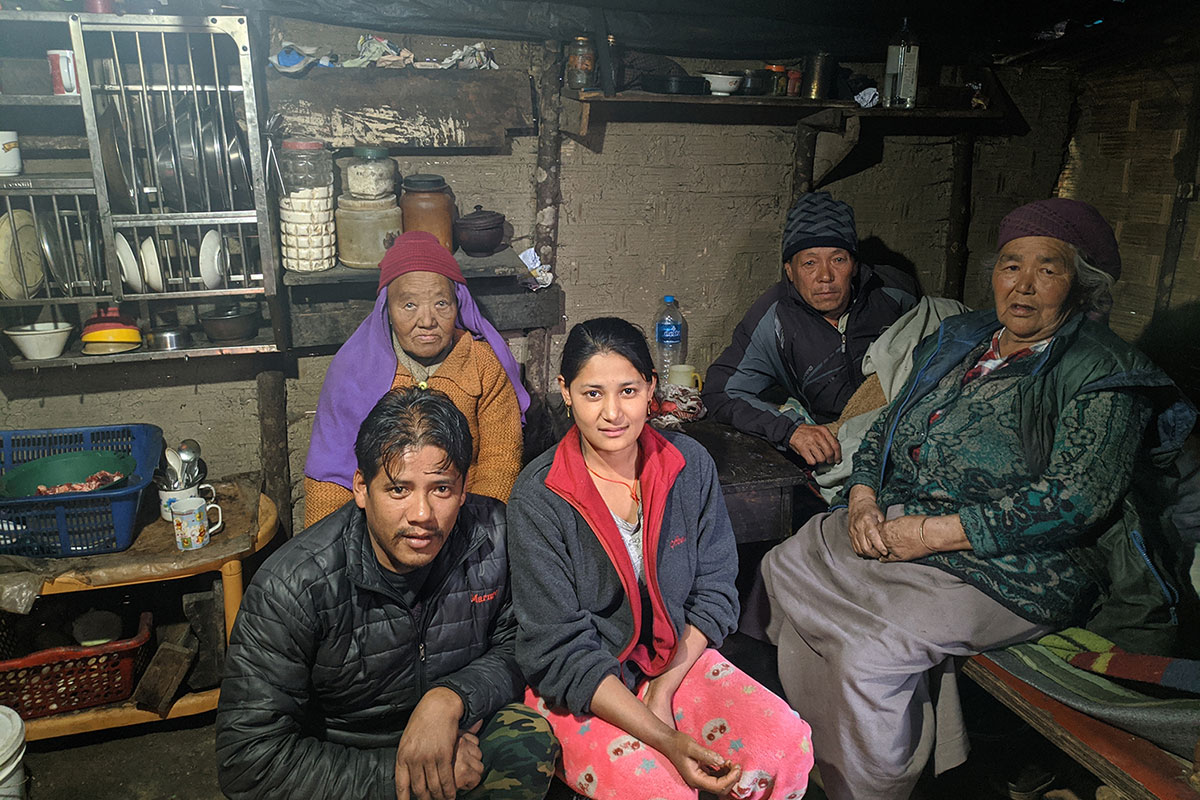
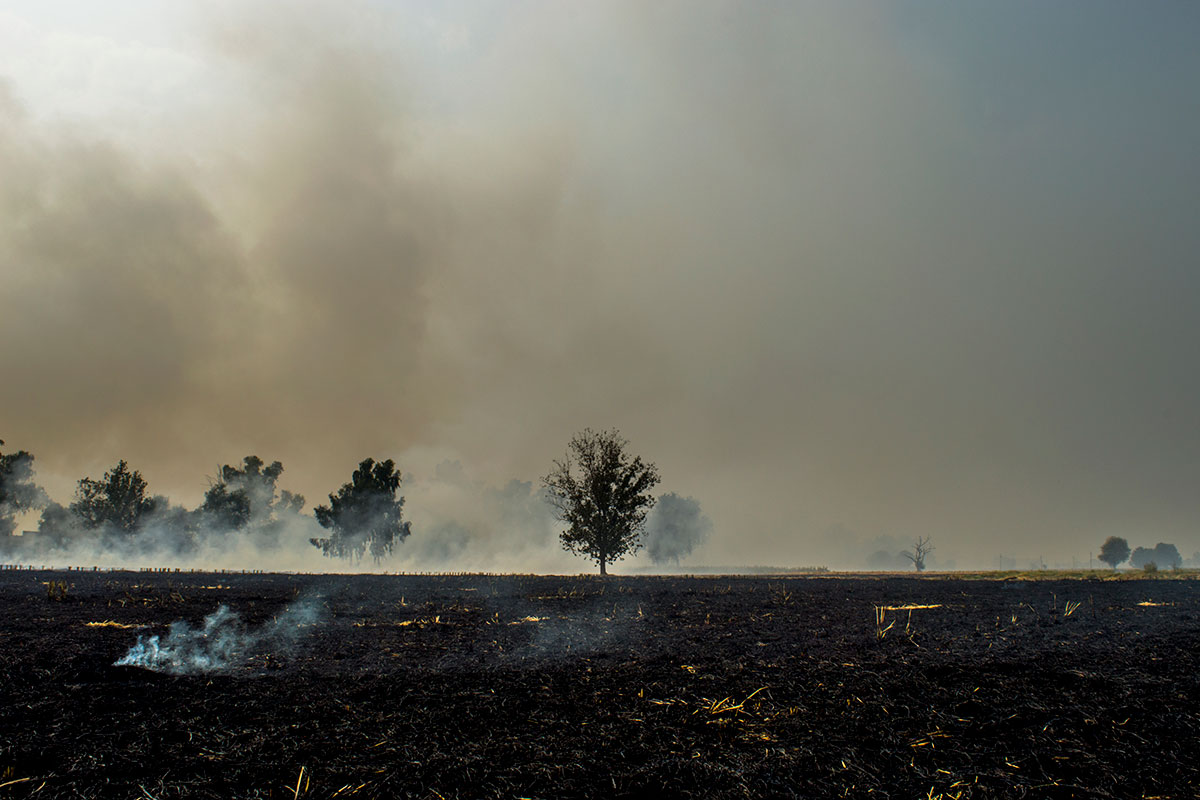
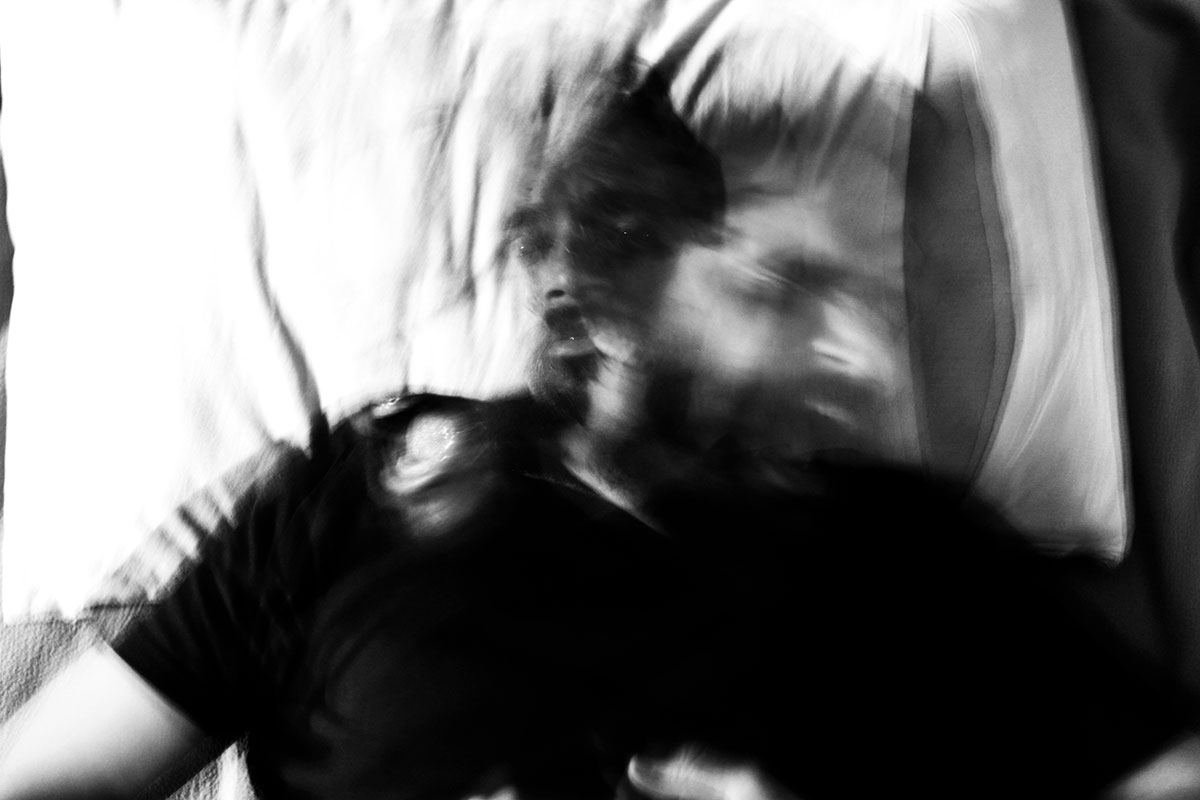
Students Work
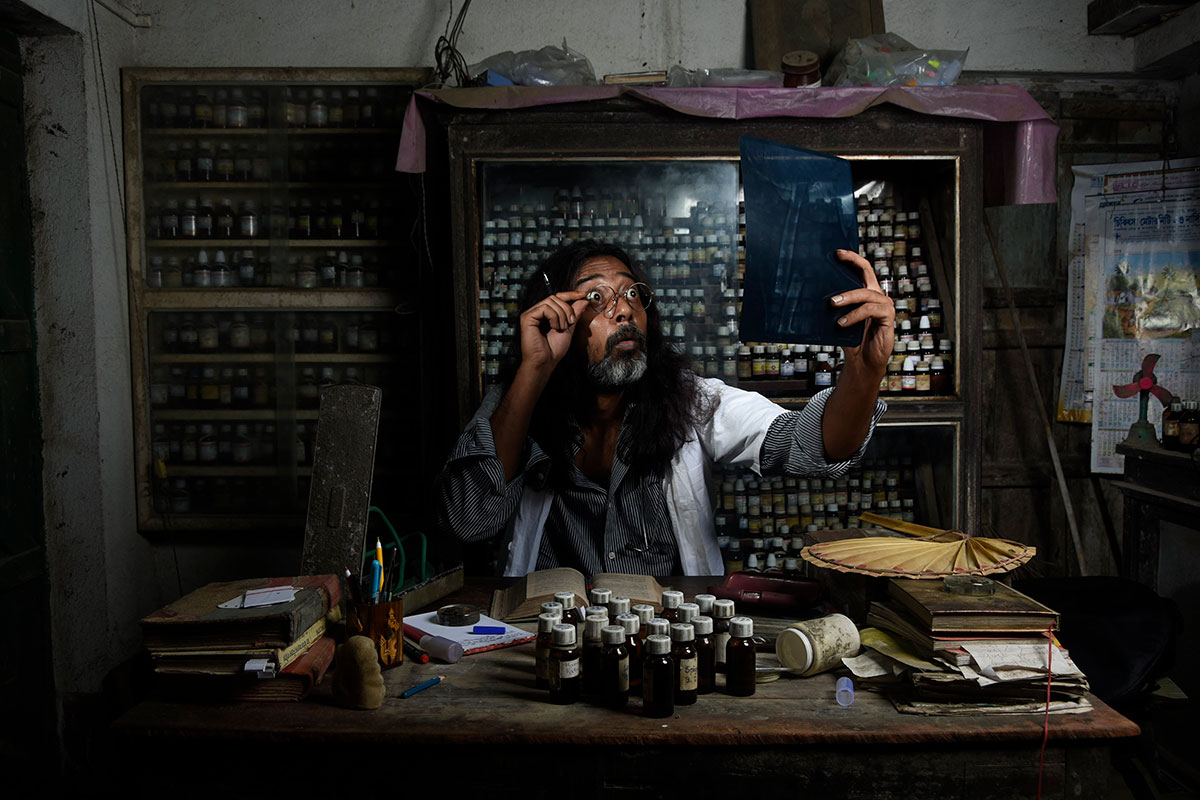
“Life is a lot more enriched with myriad experiences but my passion for photography has rewarded me with a new perspective to look at the life around me. It is my mission to impart this knowledge to the upcoming ardent photographers; aiding them to look at life with a bold, new perspective.”
Student Projects