Diploma in Fine Arts Photography

Photography is no longer “just a creative hobby.” It is a serious language that builds careers, shapes culture, drives brand value, documents society, and creates long-term artistic identity. The Diploma in Fine Arts Photography is a two-year, NEP-aligned programme designed for students who want strong foundations in photography as an art practice and as a profession - without waiting four full years to enter the creative world.
COURSE OVERVIEW
This programme is built for students who want more than a short-term camera course. From the first semester, students learn how to see, how to think visually, and how to produce work with discipline. The focus is not only on technical skill, but also on taste, intent, storytelling, and presentation - the qualities that separate a casual photographer from a serious image-maker.
Additional Information
Maximum Seats
 |
Eligibility
| 10th Pass from a recognized board. |
Class Days & Batch Timings
| Monday to Friday 10:30am to 4:30pm |
Course Fee
| Total Course Fee | Rs. 5,10,000/- (For Two Years) |
- Other scholarships are available as per eligibilities and grant bases, to be discussed while interview with directors.
- Guest lectures, masterclasses, workshops, special events and 2 Educational tours, are mandatory and included in the programme fee.
The Curriculum
Semester I – Foundations of Photography
- Visual Studies & Art Appreciation
- Photography Techniques
- Camera Operations
- Composition & Lighting
- Digital Image Editing
- Communication Skills
- Sustainable Photography Practices
Semester III – Advanced Photography & Media
- Documentary Photography
- Travel & Wildlife Photography
- Photojournalism
- Experimental Photography
- DSLR Filmmaking
- Self-Branding
- Photography Business & Entrepreneurship
- Industry Internship
Semester II – Studio Practice & Presentation
- Studio Photography
- Portrait & Product Photography
- Fashion Photography Basics
- Image Printing & Presentation
- Photography Campaign
- Portfolio Development
- Field Photography Projects
Semester IV – Professional Specialization
- Fashion Photography
- Commercial Photography
- Documentary Photography
- Wildlife Photography
- Travel Photography
- Fine Art Photography
- Portrait Photography
- Final Portfolio
- Major Photography Project
- Exhibition & Viva Voce
- Industry Internship
What Students Learn in 2 Years
Across four semesters, students build capability in the full photographic workflow:
- Camera craft: exposure control, composition, sharpness, tonal control, and visual awareness
- Light: natural light mastery plus controlled artificial lighting fundamentals
- Analog foundations: film discipline, contact sheets, darkroom process thinking, and craft sensitivity
- Digital discipline: workflow, file hygiene, editing control, colour/tonality, and output standards
- Narrative building: sequencing, photo-essay development, and meaning through selection
- Visual culture: aesthetics, contemporary practice, and critical viewing (how images create impact)
- Writing + articulation: captions, context notes, short critical writing, and an artist statement
- Public presentation: critique culture, portfolio building, and juries (professional evaluation style)
- Professional readiness: ethics, consent, copyrights, releases, and responsible practice
How Learning Happens (Practical, not Theoretical)
This is a studio-driven programme. Students are trained through a professional process:
concept → reference → plan → shoot → edit → sequence → critique → final output → presentation.
Every semester includes major studio outputs, guided feedback, and juries. Students learn to take feedback, revise intelligently, and deliver final work at a professional standard. The programme balances class instruction, demonstrations, assignments, field practice, critiques, and portfolio development.
The NEP advantage: flexibility + depth
A defining highlight: mandatory industry immersion
At the end of Semester 4, every student completes a mandatory 4-week Industry Immersion. This is not treated as a formality - it is evaluated through real outcomes. Students work in professional environments to observe workflows, assist teams, and deliver assigned tasks under supervision.
The immersion is assessed through:
- Supervisor evaluation
- Deliverables and task performance
- A learning logbook
- A case study portfolio
- A viva/presentation
This ensures students graduate with exposure, confidence, and work culture discipline - not just classroom learning.
What Students Graduate With
By the end of two years, students graduate with:
- A coherent portfolio-ready body of work
- Strong foundations in light, camera craft, and editing discipline
- Analog + digital workflow capability
- Storytelling and sequencing ability
- Presentation confidence through juries and critiques
- Evaluated industry immersion experience
- Clarity to start entry-level creative work or continue into advanced semesters
Progression Pathway
This Diploma is also the NEP-aligned exit award after Semester 4. Eligible students may choose to progress into the advanced undergraduate pathway (Semesters 5–8) to build higher specialisation, longer internships, and a final major project - subject to academic and admission requirements.
Why this Diploma
- A serious 2-year foundation - not a short-term hobby course
- Studio projects every semester with critique culture
- Strong training in light, camera craft, and output standards
- Analog + digital learning for deeper control and stronger taste
- Writing and presentation built early for portfolio credibility
- Visual culture learning that improves artistic clarity and judgment
- Sequencing and storytelling - not random “nice photos”
- Mandatory 4-week industry immersion with evaluated outcomes
- Portfolio is built inside the programme, not left to chance
- Clear pathway to continue into advanced semesters for the full degree track
FAQs
Is it suitable for beginners?
- Yes. The Diploma starts from foundations and builds skill progressively.
What does my child graduate with in 2 years?
- A Diploma award, a portfolio-ready body of work, and evaluated industry immersion experience.
Can students continue into the 4-year degree later?
- Yes - eligible students may progress into the advanced semesters subject to academic and admission requirements.
Is it only about cameras and editing?
- No. Students learn visual thinking, culture, writing, ethics, and presentation - along with strong technical skill.
Is there industry exposure?
- Yes. A mandatory 4-week immersion is completed after Semester 4 and evaluated through outcomes.
Students Work
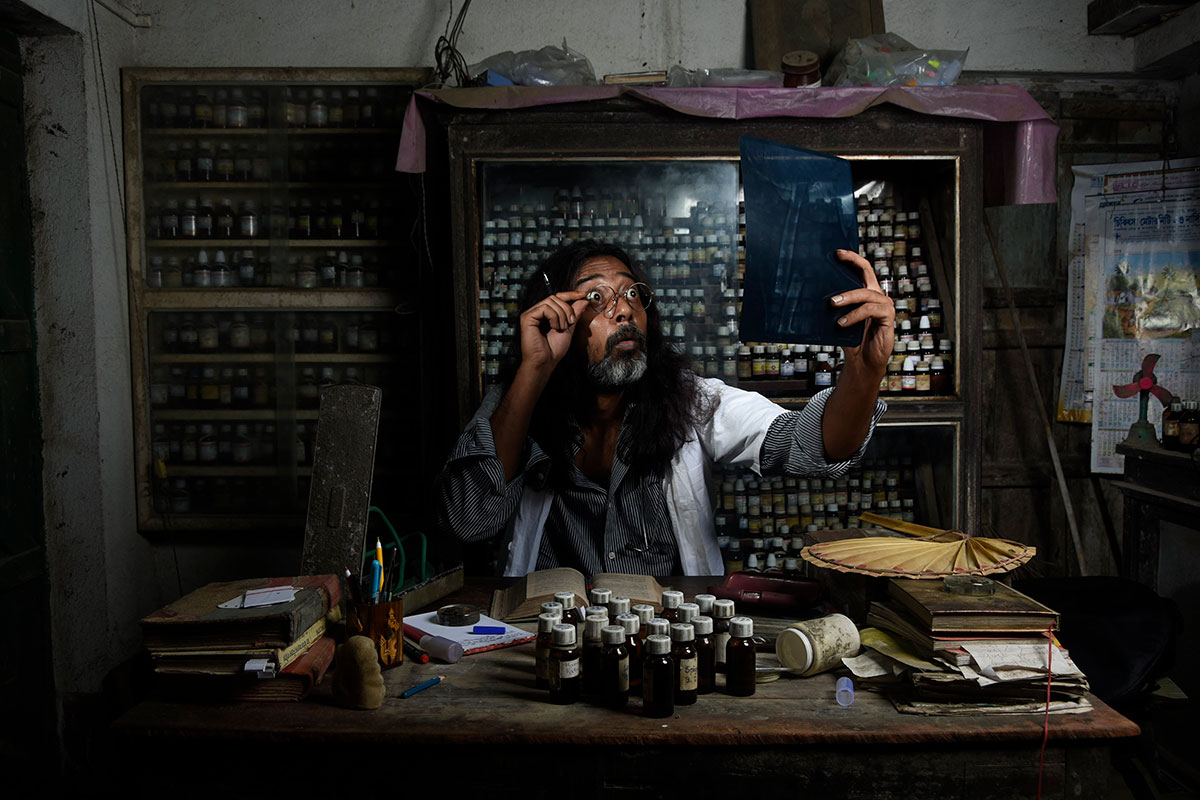
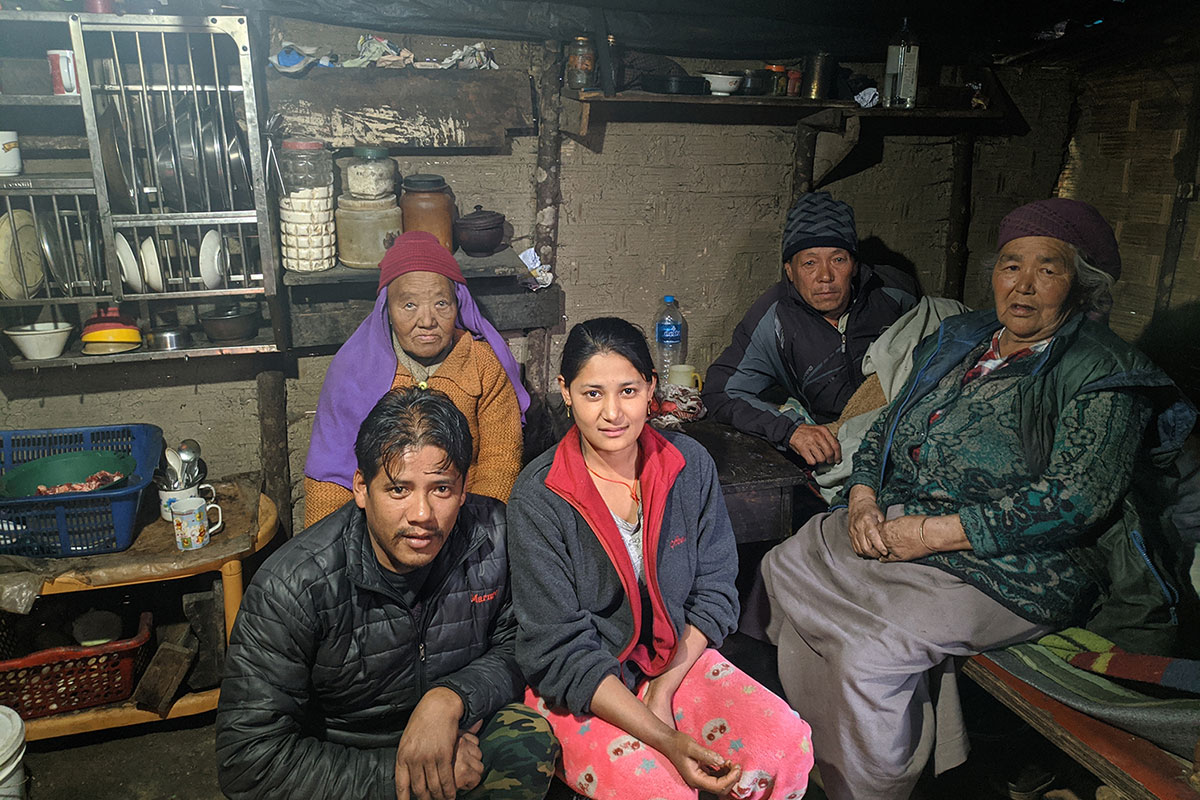
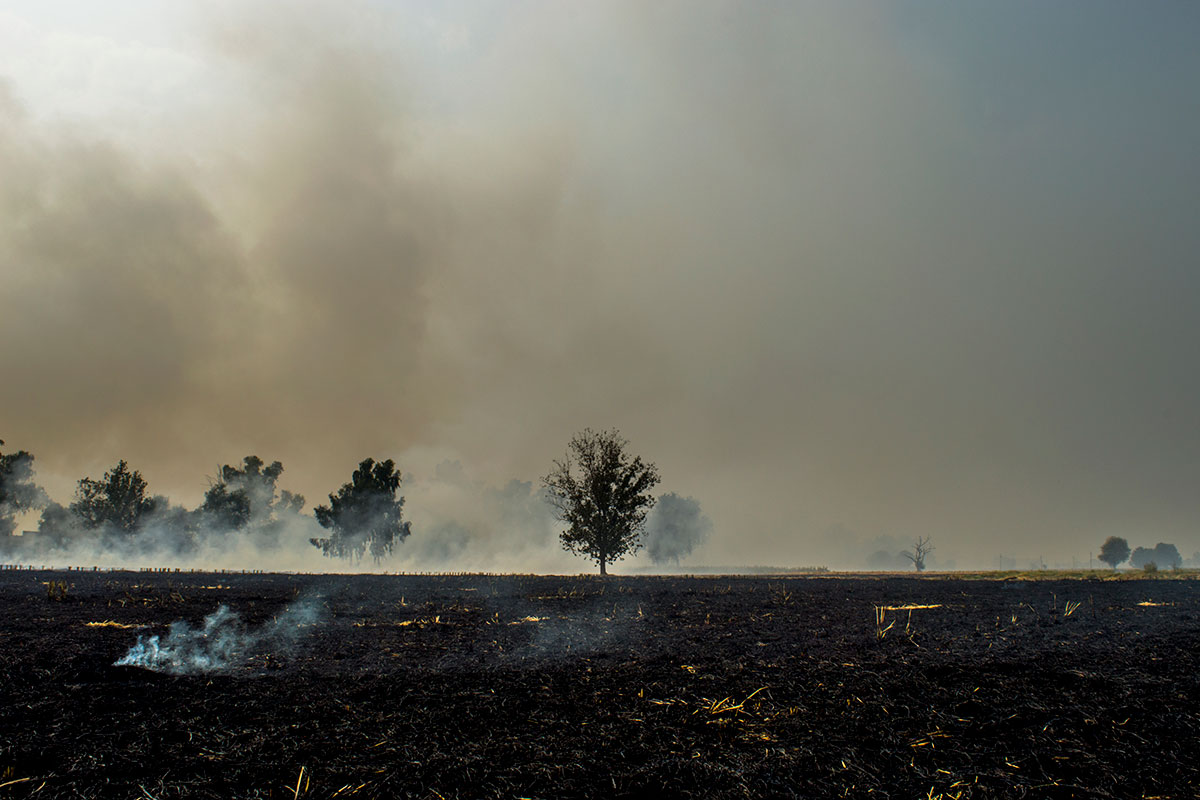
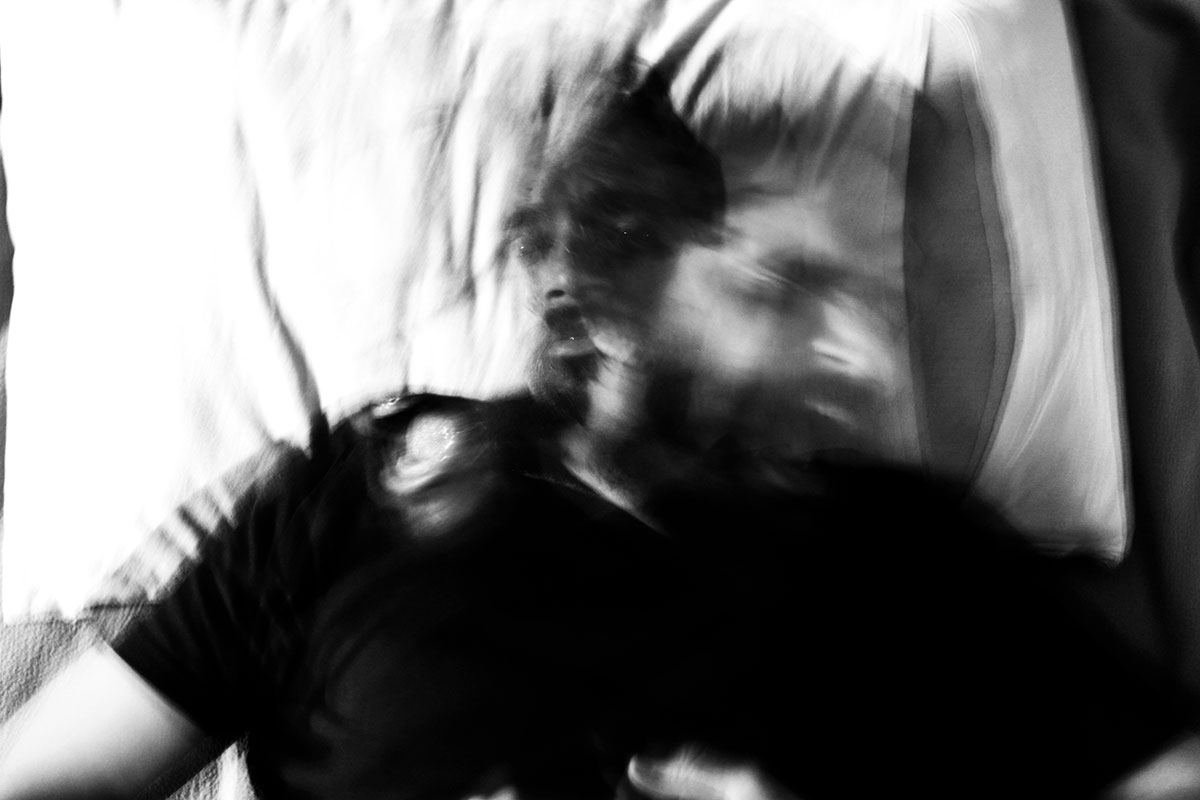
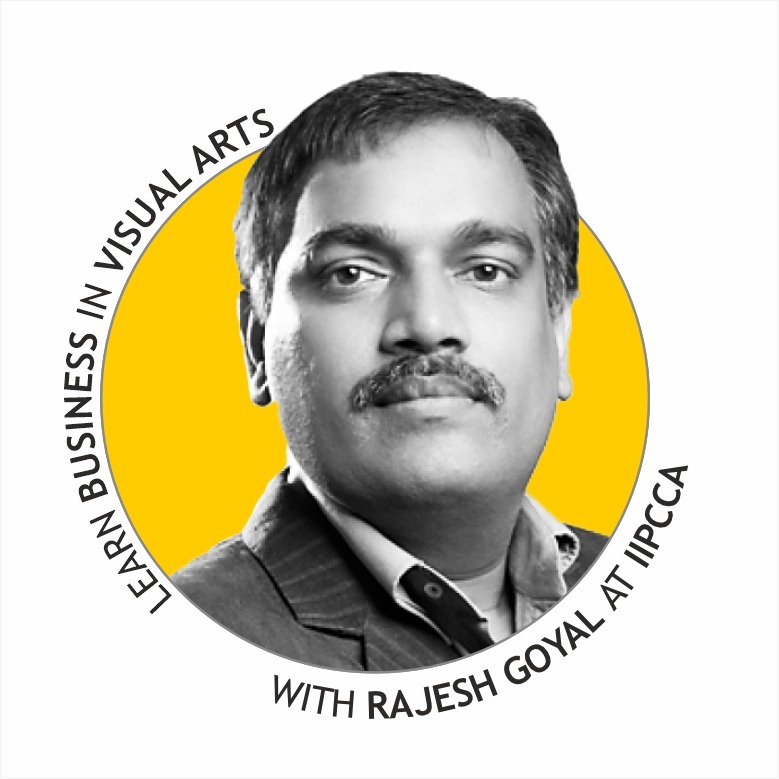
“Life is a lot more enriched with myriad experiences but my passion for photography has rewarded me with a new perspective to look at the life around me. It is my mission to impart this knowledge to the upcoming ardent photographers; aiding them to look at life with a bold, new perspective.”
